

HORIZON AG NEWS
CLL16 and CLL19: Lower Prices for 2027
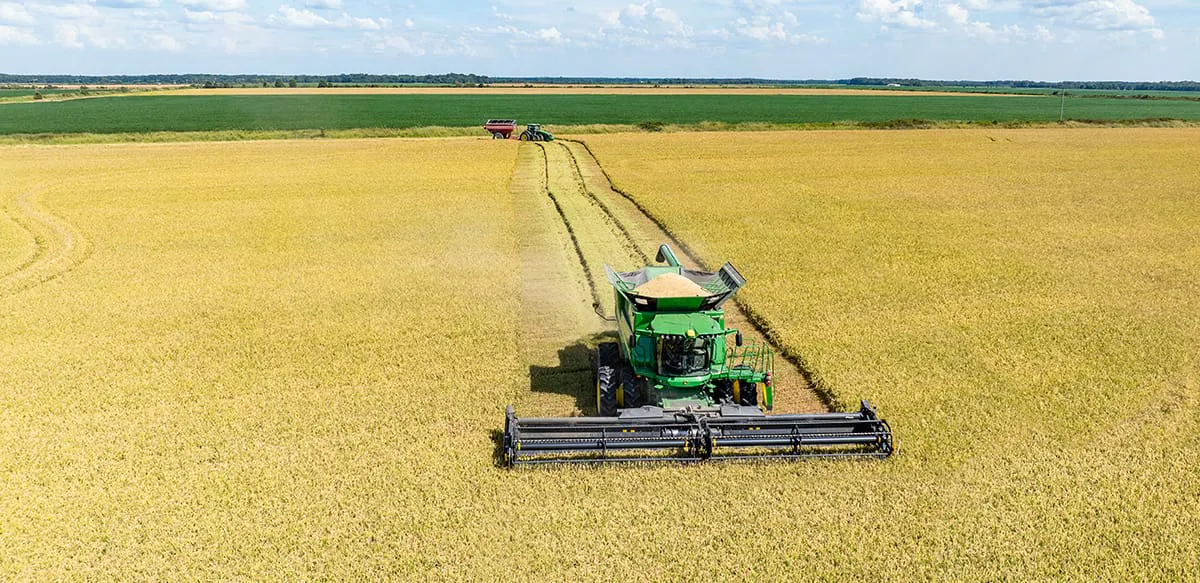
CLL19 being harvested in Northern Arkansas.
You didn’t cut rice acres this year because you wanted to. You cut because the price didn’t support planting more. We’re responding by lowering the price on two of our most widely planted Clearfield® varieties, CLL16 and CLL19, for 2027.
These are two of the most trusted varieties we have. You already know what they do in your fields. Making them more affordable for 2027 is one decision we can make with confidence in a year that doesn’t offer a lot of certainty.
Growers pulled back on acreage this year, and the price still hasn’t recovered enough to clear what most operations need to break even. Export demand remains weak, and competition from South American producers continues to pressure the price U.S. rice can command.
We don’t control commodity prices or what’s happening in export markets. What we control is what it costs to plant our seed, and this year that’s exactly where we decided to make a difference. CLL16 and CLL19 are both established performers across our core growing regions.
For those of you building 2027 budgets now, two varieties already in wide use across the Mid-South and Gulf Coast just got cheaper to plant. It won’t move the price you get for your crop, and we’re not claiming it will.
This isn’t going to solve what’s happening in the rice market. It’s going to make one decision easier heading into 2027, and next year matters more than it has in a long time.
If you need anything, please don’t hesitate to reach out.

Tim Walker
CEO
twalker@horizonseed.com
Let’s Connect at the USA Rice Outlook Conference

We hope you’ll join us in Nashville December 13-15 at the USA Rice Outlook Conference. It’s always a great opportunity for our industry to come together—sharing ideas, research and innovations that continue to strengthen U.S. rice production.
You’ll find the Horizon Ag team ready to talk about the latest advancements in the Provisia® and Clearfield® rice systems, including new varieties like CLL20 designed to deliver higher yields, improve milling and offer greater flexibility for Southern rice farmers.
Plan your 2027 acres with CLL16, CLL19 and the rest of the Horizon Ag lineup
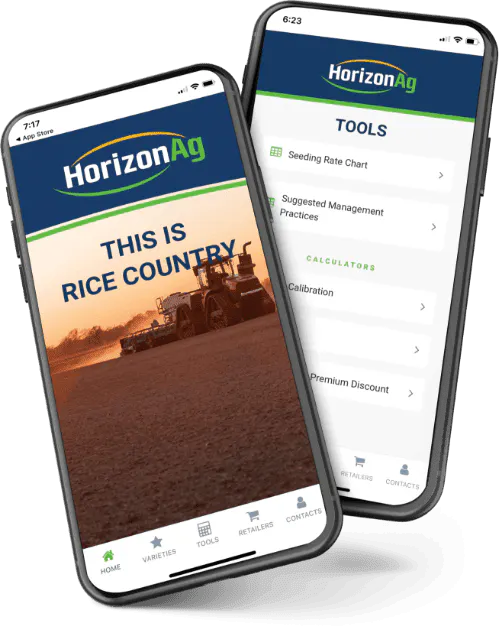
DOWNLOAD OUR MOBILE APP
The Horizon Ag Productivity app provides easy, in-field access to management recommendations and tools — including seeding rate charts, a drill calibration calculator and other suggested management practices — so you can get the most out of our varieties.


 |
|
Copyright ©2026 Horizon Ag, LLC