

HORIZON AG REGIONAL REPORTS
Heading Season and the Harvest Decisions That Follow
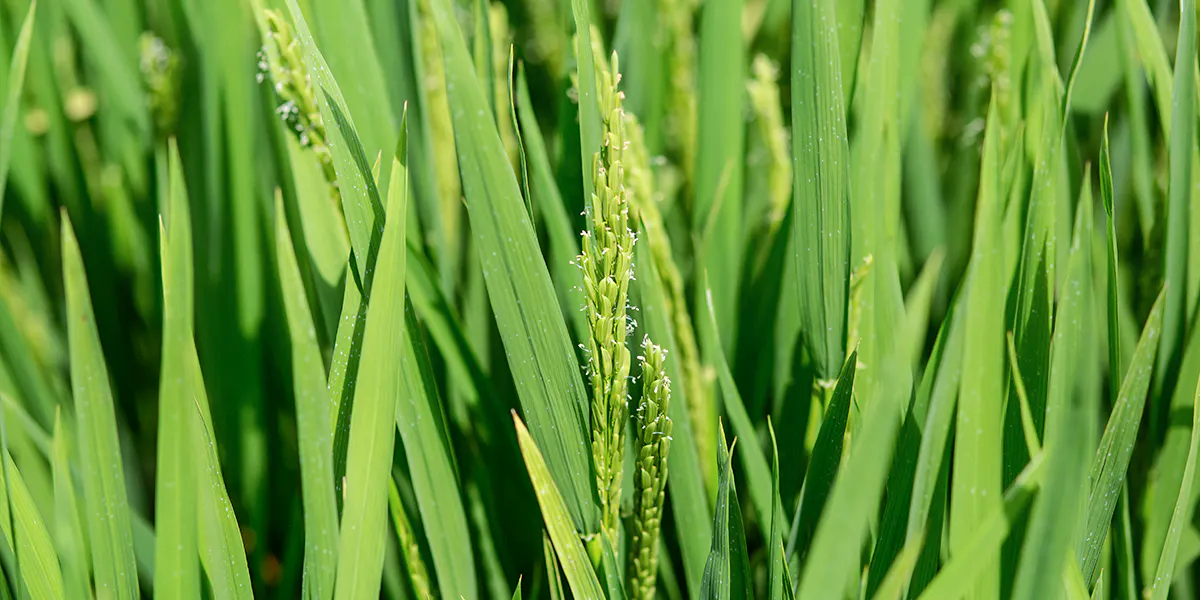
PVL06 near Kaplan, LA.
Missouri & Northeast Arkansas
Heading Season
Everyone take a breath: we’ve made it to heading, and with it, the tense timing of agronomic decisions is behind us. Some of the earlier rice down on the Prairie will be evaluated this week to determine if the field can be drained ahead of harvest, and rice is starting to head all the way into the Bootheel of Missouri. Overall, the crop looks good. We have some areas where pre-emerge herbicides did not activate well enough for the cleanliness we want, and other spots where conventional cultivars are reminding growers and consultants why herbicide tolerant varieties earn their place on the farm. For growers with PVL06 on their farm for the first time: the variety shows a bronze color as panicles emerge. This has prompted a few calls from aerial applicators worried about drift, and consultants doing a double take. The color is normal, just a characteristic of the variety.
Rice Stink Bug Thresholds
As a reminder, the threshold for stink bugs has been changed to 10 bugs per 10 sweeps throughout the whole year, instead of the 5 per 10 during the first two weeks and 10 per 10 during the second two weeks. It is not recommended to tank mix your early fungicide applications with insecticide.
A/C is On…Compared to Last Year
Last year, prolonged nighttime temperatures above 74℉ for sixteen consecutive days contributed to yield loss across Northeast Arkansas and Missouri. Research shows grain yield can drop 7% for every 1℉ above 71℉ at night, and blank grains on panicles are the clearest sign of that stress. This year we’re running about 4.0℉ cooler than July 2025 based on Missouri weather station data, and Northeast Arkansas appears to be following the same trend. We’ll see a few 100℉ days ahead, but conditions should ease again soon, so I’m less concerned about heat related blanking than I was last year. Still, keep water moving through your paddies and furrow irrigated fields during heading. Avoid stagnant water.
My counterpart David Doise, who covers Texas and South Louisiana, provided the following update for his territory. “Unfortunately, the weather is against us down on the coast. Many growers are trying to get some rice out ahead of Tropical Depression Bertha, but getting the moisture to fall to harvestable levels has presented a challenge. The latest update is expecting the system to impact the New Orleans region by Thursday morning, Lake Charles by Friday morning, and Houston by Saturday morning. The region is less than 10% harvested at this point. Early yields are a mixed bag, but initial reports for PVL05 and PVL03 are good".
Reach out to me with any concerns or questions. We’re grateful for the opportunity to walk alongside your rice crop.
Save the Dates:
July 30th – Rice Field Day, Northeast Rice Research & Extension Center, Harrisburg, AR.
August 4th – Horizon Ag Arkansas Field Day, Northeast Rice Research & Extension Center, Harrisburg, AR.
August 6th – Rice Field Day, Rice Research & Extension Center, Stuttgart, AR.
August 18th – Missouri Rice Research Farm Field Day, Missouri Rice Research and Merchandising Council, Glennonville, MO.

Robyn Chlapecka
District Field Representative
rchlapecka@horizonseed.com
(870) 672-1291
Protect Your Milling Potential This Harvest
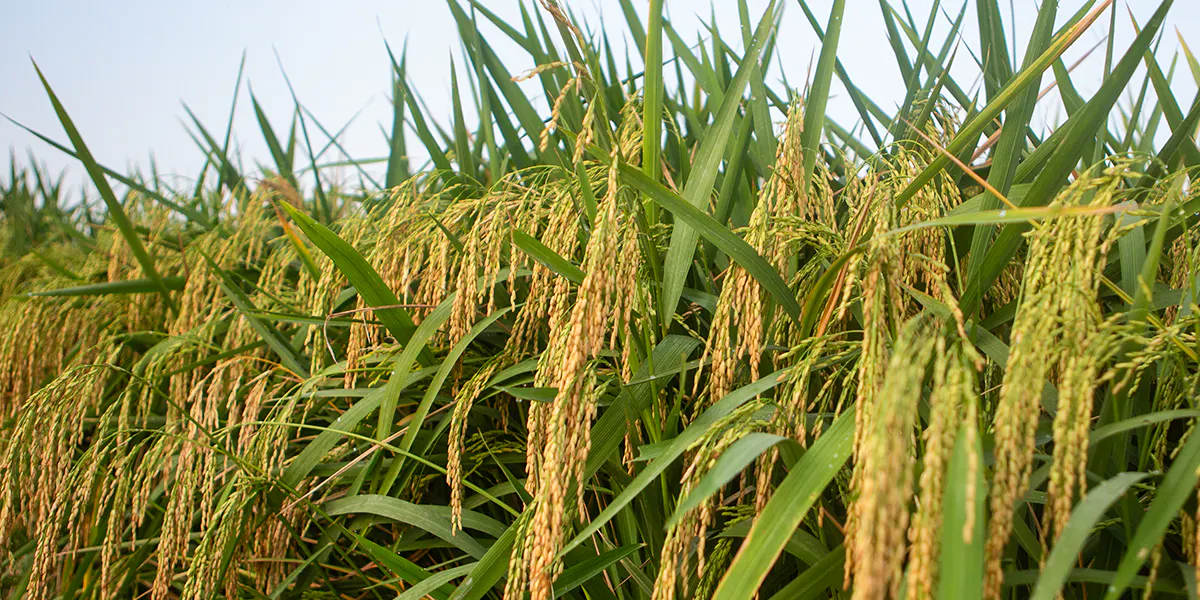
CLL19 near Bernie, MO.
U.S. rice acreage is at its lowest level in more than 50 years, and one contributing factor has been the marketability of Southern U.S. long-grain rice. In recent years, whole and, at times, total milled rice percentages have too often fallen below the industry benchmark of 55/70.
The reasons are complex, involving genetics, environment and management. As harvest approaches across the Upper Mid-South, here are two practices within your control that can improve milling stability and reduce deductions.
Start Harvest Earlier
Whenever possible, begin harvesting rice when grain moisture is above 20% rather than waiting until it reaches 17–18%.
Waiting until lower moisture levels may reduce drying costs initially, but if harvest capacity or logistics delay completion, a significant portion of the crop can become over-mature before it reaches the combine. While drying costs may be higher on the first fields harvested, improved milling yields, reduced discounts, and the potential for milling premiums often more than offset those additional drying expenses.
Match Drain Timing to Harvest Capacity
Instead of draining large acreages all at once, consider staggering field drainage to better match your expected harvest schedule.
As soils continue to dry, moisture gradients increase within the plant—and especially within the rice kernel. Rice that remains in the field after reaching maturity is subjected to repeated cycles of moisture absorption and drying from dew, rainfall, and changing humidity. These cycles increase the likelihood of starch fissures within the kernel, which can result in grain breakage during harvest and milling.
Quality Benefits Everyone
Producing high-quality rice benefits not only your operation but the entire U.S. rice industry. Better milling yields reduce discounts, improve profitability, and strengthen the reputation and marketability of Southern U.S. long-grain rice with domestic and international buyers.
At Horizon Ag, our goal is to help growers maximize both yield and quality. Careful attention to harvest timing and water management can make a meaningful difference in protecting your crop's value after harvest. I wish everyone a very safe and successful harvest.

Tim Walker
CEO
twalker@horizonseed.com
See how PVL06 and CLL19 deliver milling quality growers can count on
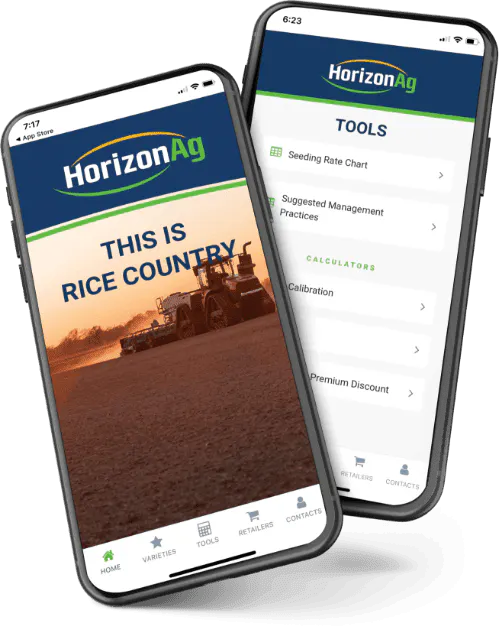
DOWNLOAD OUR MOBILE APP
The Horizon Ag Productivity app provides easy, in-field access to management recommendations and tools — including seeding rate charts, a drill calibration calculator and other suggested management practices — so you can get the most out of our varieties.


 |
|
Copyright ©2026 Horizon Ag, LLC