

HORIZON AG NEWS
The Data Is Clear. The Path Forward Is Harder.
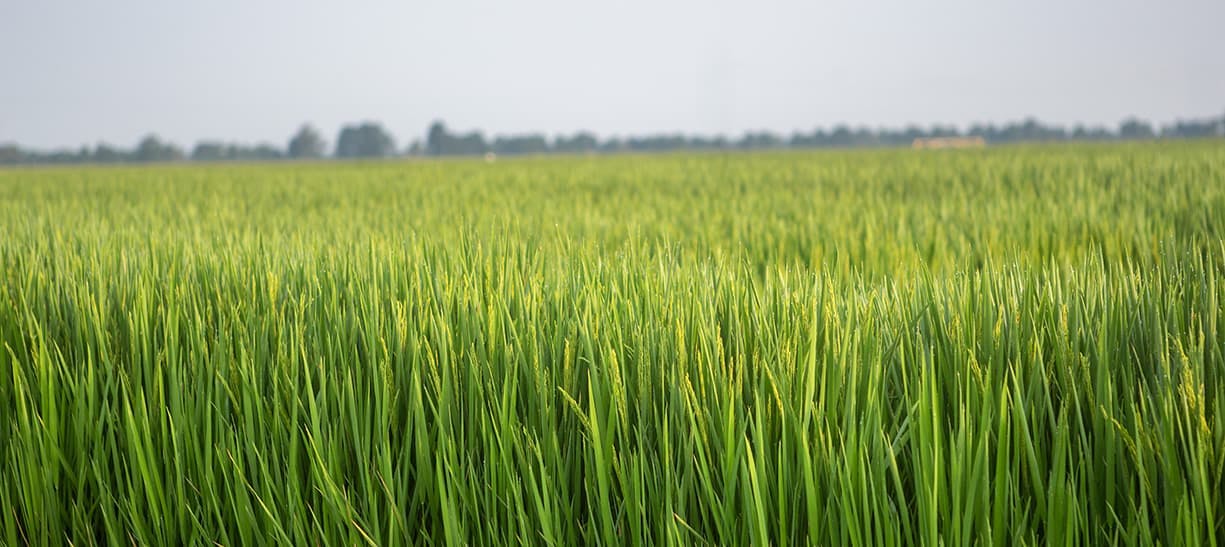
Horizon Ag rice growing in Harrisburg, Arkansas.
For years, conversations about U.S. rice quality in Latin American markets have circled the same themes — growing competition, shifting buyer preferences and the steady rise of South American rice. What’s changed isn’t the challenge itself, but the clarity we now have around it.
New quality evaluation data and firsthand market experience are showing us that this is no longer a perception issue. It’s a product alignment issue.
The question we had to answer was simple: Are we producing what these markets want — or are we assuming we are?
Historically, U.S. rice has been evaluated through a domestic lens: yield stability, agronomic performance and milling efficiency at lower harvest moisture. But in Central and South America, quality is judged by the consumer in how it looks and cooks. Rice consumers desire translucent, uniform grains in the bag. Upon cooking, they want rice to have a firm texture with grains that are separate (non-sticky). That distinction matters.
In a recent evaluation of 26 long grain U.S. rice varieties conducted by an independent international research panel, only a small subset met Latin American expectations. One line, an experimental from the LSU AgCenter, reached a “premium” classification — on par with South American rice — while some others like CLHA03 and PVL05 were deemed acceptable. Most were rated as not acceptable for Latin American markets.
South American producers made deliberate choices decades ago to align production with consumer demand. Our system, by contrast, has been built for flexibility and volume. We are very good at producing rice. We haven’t always been good at producing specific rice.
Moving forward, progress won’t come from chasing volume or overselling incremental gains. Rebuilding confidence requires discipline — fewer varieties, clearer quality targets, identity preservation and proof before promotion. The opportunity is real, but it will require patience and precision.
At Horizon Ag, we believe this is an industry-wide conversation. If the industry is healthier, we all benefit. And while the path forward may be harder, it’s also clearer than it’s ever been.

Tim Walker
CEO
twalker@horizonseed.com
Talk to a sales representative for more information about the future of U.S. rice in Latin American markets.
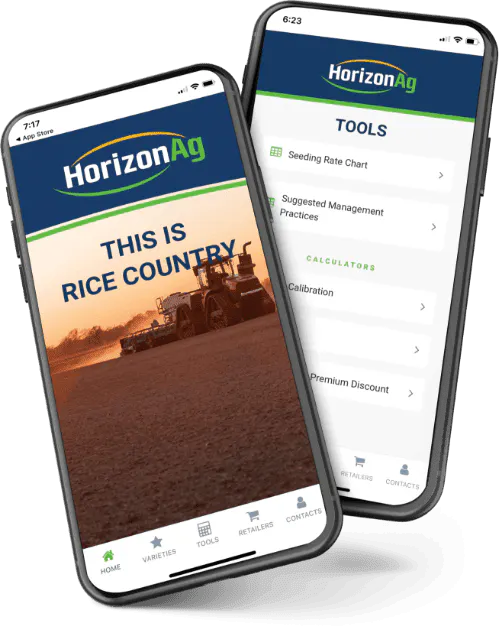
DOWNLOAD OUR MOBILE APP
The Horizon Ag Productivity app provides easy, in-field access to management recommendations and tools — including seeding rate charts, a drill calibration calculator and other suggested management practices — so you can get the most out of our varieties.


 |
|
Copyright ©2026 Horizon Ag, LLC